
How to solve the glue odor problem in eyeglass packaging: The secret of a 16-year-old factory
You've spent months perfecting the eyeglass design. The frames are flawless, the lenses are crystal clear, and the branding is precise.
Then the customer opens the box… and wrinkles their nose.
That pungent chemical odor assaults the customer's nostrils even before the product itself. Your carefully crafted "luxury unboxing experience" vanishes instantly.
In the high-end market, smell is part of the quality.
Over the past 16 years, I've seen too many brands lose customers—not because the glasses are bad, but because the packaging smells "cheap." Low-quality glue releases volatile organic compounds, not only emitting a pungent odor but also silently telling even the most discerning buyer: this product is of low quality.
We made a decision long ago in the factory: never let inferior glue ruin a good product.
Eliminating odors isn't magic. It's a combination of three things: the right materials, the right processes, and the right people.
1. Water-based Eco-friendly Adhesives: The Foundation of Odorless Packaging
Most chemical odors come from solvent-based adhesives. They're cheap and quick-drying, but can release odors for days or even weeks.
We use water-based eco-friendly adhesives. They're more expensive and require more precise application, but they have one key advantage:
Zero toxic odor.
The adhesion is just as strong, but it doesn't release volatile organic compounds that make customers frown. For high-end markets like France and South Korea, this isn't an option, it's the baseline.
2. Ventilation Process: Letting the Product "Breath"
Even the best materials may retain a trace of odor if rushed into production.
After the bulk order is completed, we don't pack it directly. Each batch of products is left to stand in a clean, well-ventilated workshop for a period of time, allowing fresh air to carry away the last trace of odor. This step adds one day to the delivery time, but it's worthwhile.
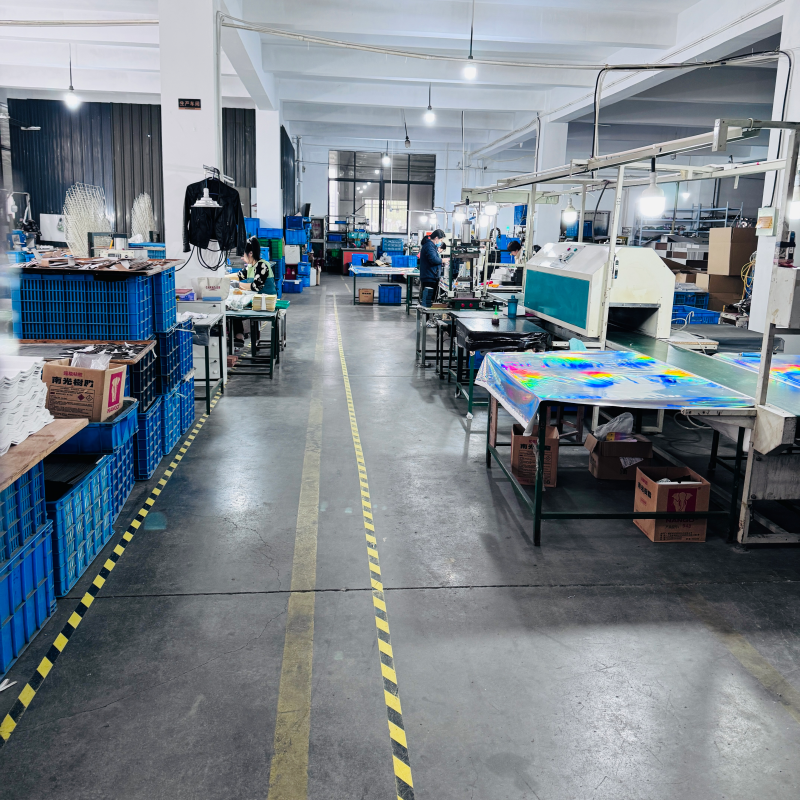
3. Master Chen's "Blind Test": Quality Control Beyond Sight
Master Chen has been making eyeglass cases for 25 years. His hands can distinguish the quality of leather, and his eyes can spot stitching deviations. But his nose? It's our final quality control checkpoint.
After each batch of samples is completed, Master Chen conducts a "blind test": he seals the eyeglass case inside a box for 24 hours, then opens it and smells it. If he detects any unusual odor—even just a faint one—the batch must be stopped until the cause is found and resolved.
This isn't the procedure written on the quotation. It's simply how we work.
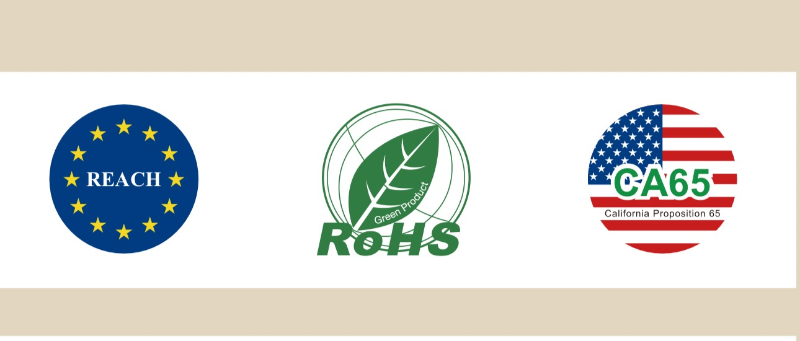
This isn't theory. We've proven it in the most demanding markets.
For French customers, the EU REACH regulation is the bare minimum. But French brands are even more concerned with the sensory experience—the feel, the appearance, and of course, the smell. A box that smells off is immediately deemed "unacceptable."
For Korean brands, unboxing is an art. Any unpleasant odor is unacceptable. An eyeglasses case with an off-smelling smell will raise questions about the entire product's quality.
We've optimized our entire deodorization process for these markets. Now, the same standards apply to every customer, every country.
If your brand targets a market that values quality, your packaging must pass an "odor test."
Want to experience packaging that smells and looks as luxurious?
Contact us and discuss your project. We'll send you a sample. Seal it for a day, then open and smell it—no odor, only quality.
Odorless. Only quality.
Environmental Guide:https://www.xhglassescase.com/blogeco-friendly-materials-eyewear-packaging-guide/
XHP-021:https://www.xhglassescase.com/magnetic-pu-leather-eyewear-case-product/
Why choose us:https://www.xhglassescase.com/about-us/
Italian client case:https://www.xhglassescase.com/case-studiesitalian-eyewear-brand-trust-journey-2/
South Korean client case:https://www.xhglassescase.com/case-studieskorean-eyewear-brand-cost-reduction/